

Sulforaphane
It turns out that, contrary to popular belief, damaged brain tissue can be regenerated naturally, possibly even after getting ravaged to death by Wuhan coronavirus (Covid-19) “vaccine” spike proteins.
A key compound in broccoli, new research has found, has the potential to directly stimulate the repair and renewal of damaged nerve tissue in the brain, which is great news for the potentially millions of people who got injected and are now brain damaged.
While it may not be a foolproof way to undo all of the damage caused by the injections, sulforaphane, a sulfur-containing biomolecule found in broccoli and other cruciferous vegetables (i.e., cauliflower), is still an amazingly powerful wonder phytonutrient with incredible potential to reverse spike protein damage.
Published in the journal Genesis, the paper, entitled “Effects of sulforaphane on neural stem cell proliferation and differentiation,” reveals how sulforaphane has significant ameliorative properties that can address an extensive range of underlying pathological disturbances associated with neurodegenerative disease.
Such disturbances include oxidative stress, inflammation, perturbed calcium homeostasis, and neuronal death, to name just a few. And one of the ways sulforaphane is believed to do this is by stimulating neural stem cell (NSC) activity in the following ways:
• By upregulating nuclear factor erythroid 2-related factor 2 (Nrf2), which increases innate antioxidant mechanisms
• By suppressing interleukin-1b (IL-1b), which exerts anti-inflammatory effects
Sulforaphane is a distinct phytochemical that has the potential to treat over 200 health conditions
The study looked specifically at whether or not sulforaphane confers neuroprotective benefits through its WnT signaling properties. Wnt signaling has previously been identified as a key molecular pathway involved in tissue regeneration.
For their investigation, researchers investigated the optimal range of sulforaphane needed to promote NSC growth while also protecting healthy neurons against damage. They found that sulforaphane concentrations of less than 5 nM can promote the growth of NSCs while also limiting or preventing cytotoxic damage.
They also determined that sulforaphane does, in fact, modify genes through the Wnt signaling pathway as suspected, and that exposing NSCs to sulforaphane causes differentiation in neurons. This further supports the hypothesis that sulforaphane has the potential to stimulate brain repair.
It turns out that sulforaphane is also an Nrf2 inducer, which together with its Wnt-activating properties makes it distinct from other phytochemicals in terms of its brain-healing potential.
“The e?ects of SFN in restoring Wnt signaling provides a wealth of opportunities for the treatment of stem-cell-related diseases characterized by suppressed Wnt signaling,” the researchers wrote in their conclusion.
“In summary, we demonstrated that the crucifer-derived SFN can e?ectively stimulate NSC proliferation and di?erentiation by modifying genes in Wnt signaling pathway. Due to its lipophilic property and low molecular weight, SFN has a high bioavailability as an orally administered drug.”
SFN is, of course, not a drug. It is a nutrient found naturally in food, and it can also be purchased as a supplement. For research purposes, however, SFN and other food-based compounds are often referred to as “drugs” when they possess therapeutic properties.
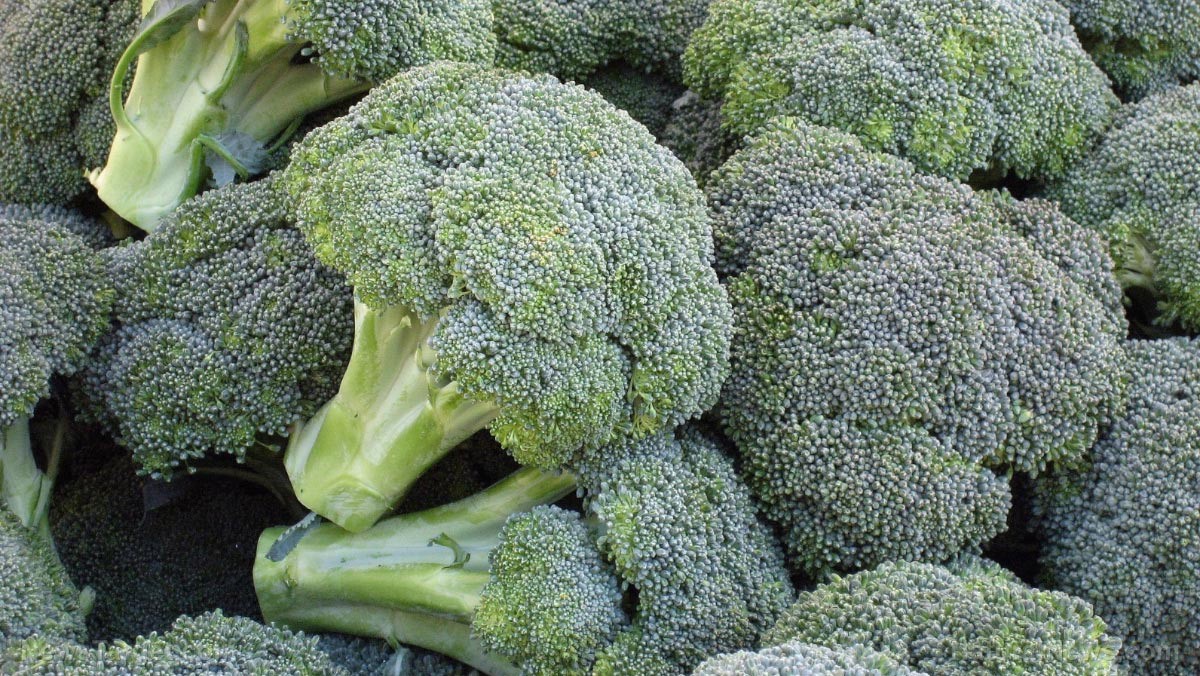
The best and easiest way to obtain sulforaphane in therapeutic amounts is to consume broccoli sprouts, as full-grown broccoli does not contain as much of the nutrient – though it is still beneficial to eat regular broccoli, just to be clear.
“Considering that sulforaphane is a naturally occurring biomolecule which has been part of the human diet since time immemorial, it is likely that its regular consumption via culinary practices delivers physiologically significant quantities in a delivery system – food – that is safe and effective in the prevention of disease,” says health expert Sayer Ji.
https://naturalnews.com/2022-02-02-molecule-broccoli-brain-repair-spike-protein-damage.html
Wednesday, February 02, 2022 by: Ethan Huff
NOTE FROM PLANT MEDS RX INC:
Patent Pending (#17/815,878) AcuteShield Vanquish® was developed to inhibit mRNA spike proteins from attaching to cells, penetrating cell membranes (infiltration), and replicating inside the cells causing severe damage! Protection starts by stopping the mRNA spike proteins from attaching to the cells. After that, penetration and replication cannot happen. https://acuteshield.com
The nutraceutical composition of AcuteShield Vanquish® wherein the composition comprises Vitamin D3, Vitamin K2, Quercetin, Nigellin Sativa/Thymoquinone, Magnesium, Sulforaphane, N-acetylcysteine, Glutathione, Zinc, Curcumin, Pyrroloquinoline Quinone (PQQ), Bromelain, Piperine, and Astaxanthin.
Citation
(Huff, 2023). Natural News: Could a molecule found in broccoli help the brain repair spike protein damage? Retrieved on 02/09/23 online from https://naturalnews.com/2022-02-02-molecule-broccoli-brain-repair-spike-protein-damage.html

