Dr. Bryan Ardis Explains Spike Protein Damage and Supplements that Help Protect You
Dr. Bryan Ardis Explains Spike Protein Damage and Supplements that Help Protect You
SARS-CoV-2 (COVID-19)
Spike glycoprotein
Dr. Bryan Ardis will share his knowledge and expertise and reveal the scientific studies that show the origin of the deadly spike glycoprotein is the venoms of two snakes, namely: the Chinese Krait Snake and the Chinese King Cobra. He ventures further and explains why the SARS-CoV-2 is not an ACE2 receptor disease but is a nicotinic acetylcholine receptor disease.
Next, Dr. Henry Ealy will explain sticky blood as it relates to the spike glycoprotein. He will reveal the mechanisms of action of how the spike glycoprotein, at a cellular level, causes havoc inside the human body as what he aptly described as a ‘wrecking ball.
Understanding Spike Glycoproteins
Spike glycoproteins are proteins found on the surface of certain viruses, including the SARS-CoV-2 virus that causes COVID-19. The spike glycoprotein is responsible for binding to and entering host cells.
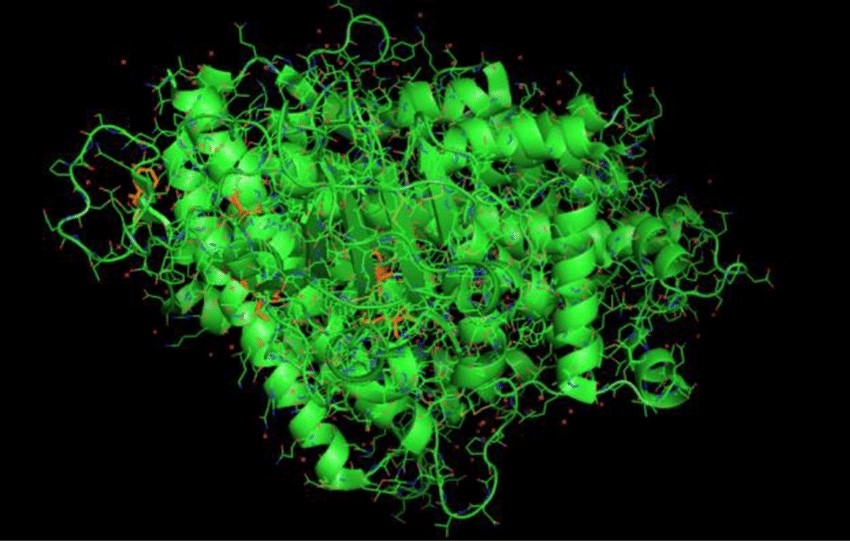
The spike glycoprotein of SARS-CoV-2 is a trimeric protein that protrudes from the viral envelope. It consists of two subunits: S1, which contains the receptor-binding domain (RBD) that binds to the host cell receptor, and S2, which is responsible for membrane fusion and entry into the cell.
Notably, top experts and doctors emphasize that it is the spike glycoprotein outside SARS-CoV-2, which makes it so deadly and infectious.
Spike glycoproteins are essentially the same as spike proteins, but with the addition of sugar molecules attached to them known as glycans. These sugar molecules affect the structure and function of the spike protein by allowing it to stick to cells and injure the blood cells, which eventually leads to “sticky blood” and blood clotting.
Venoms: The Origin of Spike Glycoproteins
Dr. Ardis revealed that in a study, scientists were able to isolate the SARS-CoV-2 virus. Shortly after, they were able to find out that its origin came from two snakes, namely: the Chinese Krait Snake and the Chinese King Cobra.
Being venoms, they are designed to target three different structures in the human body, namely: the blood, neurological tissues, and membranes of cells (it shreds cell membranes, causing multiple organ failure and eventually leading to death).
SARS-CoV-2 is a Nicotinic Acetylcholine Receptor (nAChR) Disease
A Nicotinic Acetylcholine Receptor (nAChR) disease is a disorder that affects the function of nicotinic acetylcholine receptors in the body. nAChR is the protein that is found on the surface of cells and is involved in the transmission of signals between nerve cells and muscle cells. They are activated by the neurotransmitter acetylcholine, which is released by nerve cells.
Notably, there are only a few organs in the human body where nAChR can be found, namely: the brain, heart, kidneys, testes, ovaries, and intestines. Hence, no wonder why SARS-CoV-2 and the so-called “vaccines” were reported to cause heart inflammation, brain fog, and infertility, among others.
All venoms are designed to target 3 different structures. They either destroy your blood and cause blood clotting or blood thinning, or they target neurological tissue, and they’re neurotoxic, or they shred membranes of all the cells in the body of the animal or prey to cause multiple organ failure leading to death.
Do you know what the number 1 testing technique is for the last 20 years that they use to identify the genetic material of snake venoms in all of their snake venom research?
It is the PCR test. And it’s incredible that in the Italy study, they confirmed 36 different venoms were present in those whose PCR tested positive for COVID. Really? The PCR test that’s been used for 20 years in venom research to identify DNA, RNA and mRNA of snake venoms, which are the backbone of proteins they were identifying from all these venoms in COVID-19 patients positive with PCR only.
Blood Clotting
Dr. Ryan Cole has actually presented that we should stop calling this the spike protein. It’s really the spike glycoprotein, which is different. Meaning, there’s a sugar component to it that makes it stick to cells to injure red blood cells to lead to blood clotting.
Spike protein is actually king cobra venom, peptide called cobra toxin, and a krait snake venom peptide called bungarotoxin.
Italy runs the blood and feces in urine of all COVID-19 PCR positive patients around Italy. And they confirmed 36 different venoms. What kind of venoms? What kind of components of venoms? They found 20 different snake venoms in COVID-19 patients’ blood and feces. And then they found 16 different isolated proteins from the venoms of 16 different shellfish creatures in the ocean, including the crown of thorn starfish and 15 conotoxins, which are cone snail venoms.
And it really starts with discussing these blood clot formations that are being found in people who are dying after being vaccinated. These blood clots is a side effect of the mRNA injections. It is also a component of venom found from multiple snakes in the COVID-19 patients in Italy. They’re called prothrombin activator V proteins. Prothrombin activator, procoagulating Factor V, which is a component of the blood clotting cascade triggered by snake venoms, and it’s the only component that has any impact on blood.
Pro coagulation thrombin activator. So they isolated these components that cause blood clotting. Do you know this pro coagulation Factor V isolated in these snake venoms? They confirmed that this component is identical and does not need the mammals’ blood clotting factor to make it make blood clots. It does it all by itself in the human body. So as soon as it goes into the human body, it starts the cascade to make red blood cells stick together, called rouleaux formation. Rouleaux formation.
When Red Blood Cells (RBCs) stick together due to the spike glycoproteins, RBCs cannot take as much oxygen from the cells and cannot take away as much carbon dioxide. As a result, energy production is impaired, and the oxygen saturation of individuals drops. Tissues also become more toxic, due to the buildup of carbon dioxide.
In summary, spike glycoproteins damage the blood in two lethal ways: first, it causes sticky blood where RBCs get stuck together, and; second, it prevents the enzyme plasmin from being activated. Plasmin is the enzyme that breaks down blood clots.
The spike glycoprotein creates a number of problems. And the first place that it creates those problems, and this comes from a study out of the Salk Institute at the University of California at San Diego was published in April of 2021, is that the spike glycoprotein is going to be a wrecking ball within the cell structure.
The Salk Institute and the University of California in San Diego study, what they confirmed was the spike glycoprotein jacks up, and I use that because I don’t want to talk over anybody’s head, but it’s a wrecking ball to mitochondria.
If you create and inject people with genetically modifying compounds, not only are they going to suffer, not only are they going to experience disease and ultimately and decline into the grave, but you also can sterilize young girls. You can also sterilize young boys. And now, what you do is you kill off the older generation. You kill off the middle generation, and you ensure that the new generation coming up cannot reproduce. And that’s what we’re seeing with the spike glycoprotein. This is what it does. We found it in the gonads of young girls and in the gonads of young boys, where gonads, the testes and ovaries.
If you’ve been injected and genetically modified, now your cell is producing that wrecking ball with inside of it. And when that spike glycoprotein gets outside of the cell, when it gets into the tissues, we know it’s going to disrupt T-cells in a great way, which is going to really just completely dysregulate how your immune system functions.
That’s gonna mean that there’s gonna be a rise in cancers and there’s gonna be a rise in illness, because now your immune system, your most special, most advanced killers, T-cells, I compare them often to Green Berets, they are the bad asses of your immune system. Well now they don’t know what to do because they’re coded with all of this spike glycoprotein and they are being destroyed from within. It’s as if they taught the immune system how to attack itself. The first time we’ve ever seen an autoimmune condition against the immune system. Immune system fighting itself. So what’s going to prosper disease within the body, especially cancers. And what have we seeing? An egregious rise in cancers at all ages. But that’s not even the worst thing that the spike glycoprotein does.
When you get enough of these red blood cells stuck together, something happens. They start to clot. And as they start to clot, the clots get longer and longer. If the enzyme isn’t activated from breaking the clot down, that enzyme is plasmin. So what we find with the spike glycoprotein is that it does two things with the blood that are very lethal. Number 1, is it causes what’s called hemagglutination or sticky blood. Red blood cells get stuck together.
Number 2, it prevents the enzyme plasmin from being activated to break the blood clots down.
Mitochondria
The mitochondria are organelles that are often referred to as the “powerhouses” of the cell because of their role in generating energy in the form of ATP (adenosine triphosphate). Mitochondria are important for many cellular processes, including metabolism, calcium signaling, and apoptosis (cell death).
The following are some things that you can do to help support the mitochondria:
- Eat a healthy diet – A balanced diet rich in fruits, vegetables, antioxidants, and phytochemicals that support mitochondrial health.
- Exercise regularly: Regular exercise can help stimulate mitochondrial biogenesis (the process by which new mitochondria are created) and improve mitochondrial function.
- Get enough sleep: Adequate sleep is important for overall cellular health, and research has suggested that it can also help support mitochondrial function.
- Manage stress: Chronic stress can have negative effects on mitochondrial health, so it’s important to manage stress through techniques such as meditation, yoga, or deep breathing exercises.
- Supplement with antioxidants: Antioxidants such as vitamin C, vitamin E, and CoQ10 may help protect the mitochondria from oxidative damage.
- Avoid toxins: Exposure to toxins such as environmental pollutants and certain medications can damage the mitochondria, so it’s important to avoid exposure whenever possible.
- Consider intermittent fasting: Intermittent fasting has been shown to stimulate mitochondrial biogenesis and improve mitochondrial function in some studies.
Vitamins C, D & E
What are Vitamins C, D & E? Vitamin C, also known as ascorbic acid, is a water-soluble vitamin that is essential for human health. It plays an important role in many bodily functions, including the growth and repair of tissues, the absorption of iron, and the immune system.4
On the other hand, Vitamin D is a fat-soluble vitamin that plays an important role in maintaining strong bones, as well as supporting the immune system and other bodily functions.5
Lastly, Vitamin E is a fat-soluble vitamin and antioxidant that plays an important role in maintaining healthy skin, vision, and a strong immune system.6
Vitamins C, D & E and the Spike Glycoproteins
One study published in the journal Nutrients in 2020 revealed that Vitamin C inhibits the interaction between the spike glycoproteins of the virus and human cells, potentially reducing the ability of the virus to infect cells.
Another study published in the Journal of Molecular Structure in 2021 revealed that Vitamin C could bind to the receptor-binding domain (RBD) of the spike glycoprotein, potentially reducing its ability to bind to human cells.7
On the other hand, Vitamin D is known to play an important role in maintaining a healthy immune system, which is important in fighting COVID-19. A study published in JAMA Network Open in 2020 found that COVID-19 patients with Vitamin D deficiency had a higher risk of severe illness and death compared to patients with sufficient Vitamin D levels. Another study published in The Lancet Diabetes & Endocrinology in 2021 found that Vitamin D supplementation reduced the risk of severe COVID-19 among people with Vitamin D deficiency.8
Lastly, a study published in the Journal of Medical Virology in 2020 found that Vitamin E supplementation helps to reduce the severity of infections caused by coronaviruses, including SARS-CoV-2. Another study published in the journal Nutrients in 2021 also revealed that Vitamin E helps to reduce the inflammation and oxidative stress associated with COVID-19.9
Vitamin D
- Mushrooms- Some types of mushrooms are exposed to UV light during growth and therefore contain small amounts of Vitamin D2. Examples include shiitake, portobello, and button mushrooms.
Zinc
What is Zinc? Zinc is an essential mineral that plays a crucial role in various biological processes in the body, including DNA synthesis, protein synthesis, and cell division. It is also important for immune function, wound healing, and taste and smell sensation.10
Zinc & Spike Glycoproteins
According to studies, evidence suggest that due to zinc’s antiviral properties, it helps to inhibit the replication of some viruses, including the coronavirus. Additionally, zinc may play a role in modulating the immune response to viral infections.
Further, studies also reveal that zinc interacts with the spike glycoprotein of the coronavirus, potentially interfering with its ability to enter and infect cells.11
Glutathione
What is Glutathione? Glutathione is a tripeptide molecule composed of three amino acids – cysteine, glycine, and glutamic acid. It is a potent antioxidant that plays a crucial role in various biological processes, including immune function, DNA synthesis and repair, protein synthesis, and detoxification.
It acts as an antioxidant by neutralizing free radicals and reactive oxygen species that can cause oxidative damage to cells and tissues.
Glutathione has a big role in supporting the immune system, reducing oxidative stress, and improving liver function. Studies also reveal that glutathione has potential use in the treatment of certain health conditions such as Parkinson’s disease, Alzheimer’s disease, and liver disease.12
Glutathione & Spike Glycoproteins
Studies reveal that glutathione can modulate the activity of spike glycoproteins. Research has shown that oxidative stress and inflammation caused by viral infections can deplete glutathione levels in the body, which can impair immune function and promote viral replication.
Glutathione helps to restore antioxidant balance in the body, which could potentially inhibit the activity of the SARS-CoV-2 virus. It also has a role in modulating the immune response to the virus by regulating cytokine production and reducing inflammation.
Further, other studies have suggested that glutathione levels are lower in patients with COVID-19, and that supplementation with glutathione may have potential therapeutic benefits.13
Sources of Glutathione
Glutathione is naturally produced by the body and is found in high concentrations in certain organs, including the liver, lungs, and kidneys. It is also found in a variety of dietary sources, including:
- Fruits and vegetables- Glutathione is found in high concentrations in certain fruits and vegetables including asparagus, avocado, watermelon, grapefruit, strawberries, oranges, and tomatoes.
- Nuts and seeds – Almonds, walnuts, and sesame seeds, are good sources of glutathione
NAC (N-Acetyl Cysteine)
What is NAC? NAC, or N-Acetyl Cysteine, is a dietary supplement that is derived from the amino acid L-cysteine. It is commonly used as a natural remedy to support respiratory health, liver health, and immune system function. NAC works by increasing levels of the antioxidant glutathione in the body, which helps to protect cells from oxidative damage and support overall health.
NAC is also used in conventional medicine as a prescription medication to treat acetaminophen (paracetamol) overdose and to help loosen thick mucus in the lungs of people with respiratory conditions such as chronic bronchitis and cystic fibrosis.14
NAC & Spike Glycoproteins
Evidence suggests that NAC can inhibit the activity of spike glycoproteins.
A study published in the journal Antioxidants in 2020 found that NAC was able to reduce the binding of the SARS-CoV-2 spike protein to human cells in vitro, suggesting that it may have potential as a therapeutic agent for COVID-19.15
Sources of NAC
Some dietary sources of cysteine, the amino acid from which NAC is derived, include:
- Legumes – Legumes such as lentils, chickpeas, and beans.
- Nuts and seeds- Some nuts and seeds, such as Brazil nuts and sesame seeds, are good sources of cysteine
Zinc Ionophores
What are Zinc Ionophores? Zinc ionophores are a class of molecules that can facilitate the transport of zinc ions across cell membranes. As such, these can help increase the uptake of zinc into cells, which may have potential therapeutic benefits in the context of certain health conditions.
Some natural compounds that have been identified as zinc ionophores include quercetin, epigallocatechin gallate (EGCG) found in green tea, and hydroxychloroquine (HCQ). These molecules are believed to work by binding to and transporting zinc ions into cells, where they can exert their biological effects.18
Zinc Ionophores & Spike Glycoproteins
Studies reveal that Zinc ionophores have the potential to inhibit the activity of spike glycoproteins. Research has shown that zinc can inhibit the activity of the SARS-CoV-2 RNA polymerase enzyme, which is essential for the replication of the virus. However, zinc needs to be inside the cells to exert its antiviral effects, and this is where zinc ionophores come into play.19
Some common sources of Zinc ionophores include:
- Quercetin – A flavonoid that is found in a variety of fruits and vegetables, including apples, berries, onions, and broccoli. It is also available as a dietary supplement.
- Epigallocatechin gallate (EGCG) – EGCG is a polyphenol found in green tea. It is available as a dietary
supplement as well.
- Hydroxychloroquine (HCQ) – HCQ is a prescription medication that is used to treat certain autoimmune disorders, including lupus and rheumatoid arthritis. It has been identified as a zinc ionophore and has been studied for its potential use in the context of COVID-19.
Quercetin
What is Quercetin? Quercetin is a natural flavonoid compound that is known for its anti-inflammatory, antiviral, and immune-boosting properties.
Quercetin is often used as a dietary supplement and has been studied for its potential health benefits. Some research suggests that it has anti-cancer, anti-inflammatory, and cardiovascular protective effects. It has also been studied for its potential to improve exercise performance and reduce symptoms of allergies.20
Quercetin and Spike Glycoproteins
Quercetin has been studied for its potential to inhibit the activity of spike glycoproteins, which are found on the surface of some viruses, including SARS-CoV-2. Spike glycoproteins are used by the virus to enter and infect human cells.
Some studies suggest that quercetin may be able to inhibit the activity of spike glycoproteins, which could potentially reduce the ability of the virus to enter and infect human cells.21
Sources of Quercetin
- Fruits – Apples, berries (cranberries, blueberries, blackberries, raspberries), citrus fruits (lemons, oranges), grapes, cherries, peaches, pears;
- Vegetables – Onions, kale, broccoli, spinach, tomatoes, bell peppers, asparagus, cauliflower, cabbage, radicchio;
- Legumes – Red beans, kidney beans, black beans, lentils;
- Herbs and Spices – Dill, parsley, sage, thyme, cilantro, capers
- Nuts and Seeds – Almonds, pecans, pistachios, cashews, peanuts, flaxseeds
- Beverages – Black and green tea, red wine
Quercetin supplements are also available in the form of capsules or tablets, but it is always recommended to obtain nutrients from food sources first before considering supplements.
NOTE FROM PLANT MEDS RX INC:
Patent Pending (#17/815,878) AcuteShield® Supplements were developed to inhibit mRNA spike proteins from attaching to cells, penetrating cell membranes (infiltration), and replicating inside the cells causing severe damage! Protection starts by stopping the mRNA spike proteins from attaching to the cells. After that, penetration and replication cannot happen. https://acuteshield.com
NANO SUPPLEMENT CELL LEVEL PROTECTION (available 3rd Qtr 2023)
These Nano Formulas have the highest efficacy of any currently available nutraceutical supplements. They offer the highest bioavailability, maximum strength, and Peak results.
AcuteShield MaxLife®
“Supports Vaccinated Health®”
MaxAbsorb98® by AcuteShield®
MaxStrength® PeakResults®
Nano Curcumin, Resveratrol, Ginger, Quercetin, Zinc, Nattokinase, Nicotinamide, Vitamins D/K/E
Spike Protein Mode of Action
AcuteShield NeuronMax®
“Neurological Health”
MaxAbsorb98® by AcuteShield®
MaxStrength® PeakResults®
Nano Curcumin, Resveratrol, Ginger, Lutein, Zeaxanthin, CoQ10, Vitamin E
Central Nervous System Mode of Action
AcuteShield Biogenesis®
“Healthy Mitochondria”
MaxAbsorb98® by AcuteShield®
MaxStrength® PeakResults®
Nano Curcumin, Resveratrol, Ginger, Pyrroloquinoline Quinone (PQQ), CoQ10
Mitochondria Mode of Action
AcuteShield Peak®
“Immune Optimization”
MaxAbsorb® by AcuteShield®
MaxStrength® PeakResults®
Nano Glutathione, CoQ10, Vitamins C/D/K/E
Immune System Mode of Action
AcuteShield VisionMax®
“Healthy Eyesight”
MaxAbsorb98® by AcuteShield®
MaxStrength® PeakResults®
Nano Melatonin/Curcumin/Lutein/Zeaxanthin/Nicotinamide (Vitamin B3)/Vitamin E
Healthy Eyes Mode of Action
STANDARD SUPPLEMENTS CELL LEVEL PROTECTION (Available 3rd Qtr 2023)
These Standard Supplement Formulas cover all the modes of action offered by our nano formulas in a single formula: Spike Protein, Central Nervous System, Mitochondria, and Immune System Modes of Action (Healthy Eyes Mode of Action not included).
AcuteShield Vanquish®
“Supports Vaccinated Health®”
The nutraceutical composition of AcuteShield Vanquish® wherein the composition comprises Vitamin D3, Vitamin K2, Quercetin, Bromelain, Nigellin Sativa/Thymoquinone, Magnesium, Sulforaphane, N-acetylcysteine, Glutathione, Zinc, Piperine, Curcumin, Astaxanthin, Nattokinase, and Pyrroloquinoline Quinone (PQQ).
Spike Protein, Central Nervous System, Mitochondria, and Immune System Modes of Action.
AcuteShield Defcon 1®
“Cellular Level Support”
The nutraceutical composition of AcuteShield Defcon 1® wherein the composition comprises Cannabidiolic Acid (CBDa), Cannabigerolic Acid (CBGa), Cannabidiol (CBD), Cannabigerol (CBG), Vitamin D3, Vitamin K2, Magnesium, Quercetin, Zinc, Bromelain, Nigellin Sativa/Thymoquinone, Astaxanthin, and Pyrroloquinoline Quinone (PQQ).
Spike Protein, Central Nervous System, Mitochondria, and Immune System Modes of Action.
AcuteShield Heart & Soul®
“Masters of Energy & Life”
The nutraceutical composition of AcuteShield Heart & Soul® wherein the composition comprises N-acetylcysteine, Vitamin D3, Vitamin K2, Vitamin B6, Vitamin B9, Vitamin B12, Magnesium, Glutathione, Alpha Lipoic Acid, Selenium, Zinc, Astaxanthin, and Pyrroloquinoline Quinone (PQQ).
Spike Protein, Central Nervous System, Mitochondria, and Immune System Modes of Action.

